She Wrote Letters to Her Brother After He Was Killed. Now, Her Reflections Are a Memoir.
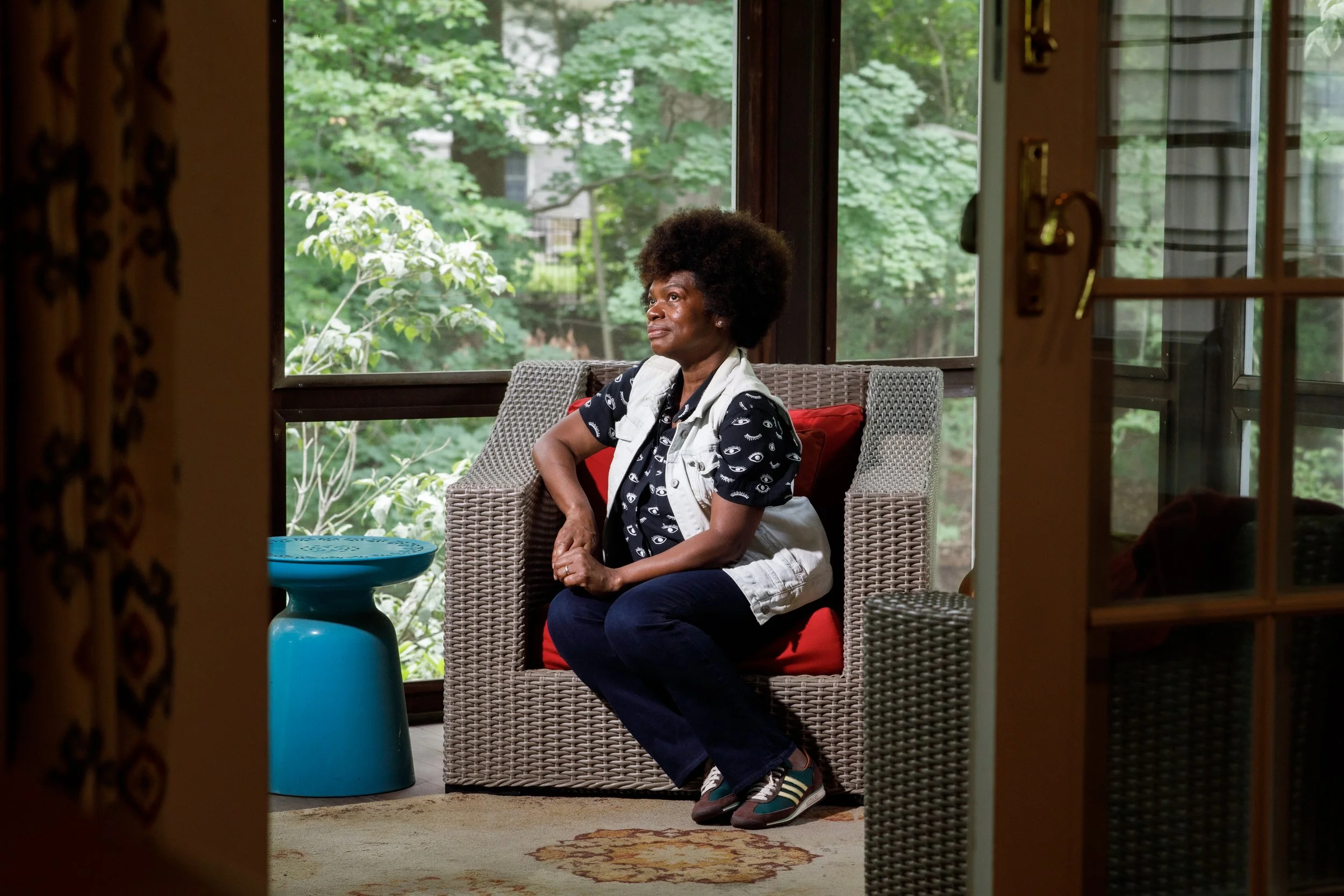
Dr. Shanda McManus says she hopes her book helps other people who’ve lost family members or friends find a measure of comfort.
I made this portrait of Dr. Shanda McManus for The Trace earlier this month.
She's a family medicine physician, an assistant professor, and now a first-time author. We talked about her brother Monir, about grief, about the structural forces that shape who gets care and who doesn't, about what it costs to move through systems that weren't built for you.
She said something that stayed with me: before writing this book, she thought about how her brother used to crack jokes and used that as a way to honor him. That shift taught me that grief may never go away, but managing it in creative ways can have a profund impact. It's what made her such a precise, generous person to sit across from.
Her memoir, Brother Epistles, releases June 23. The piece below, reported and written by Mensah M. Dean, ran in The Trace — a nonprofit newsroom covering gun violence in America. No paywall.
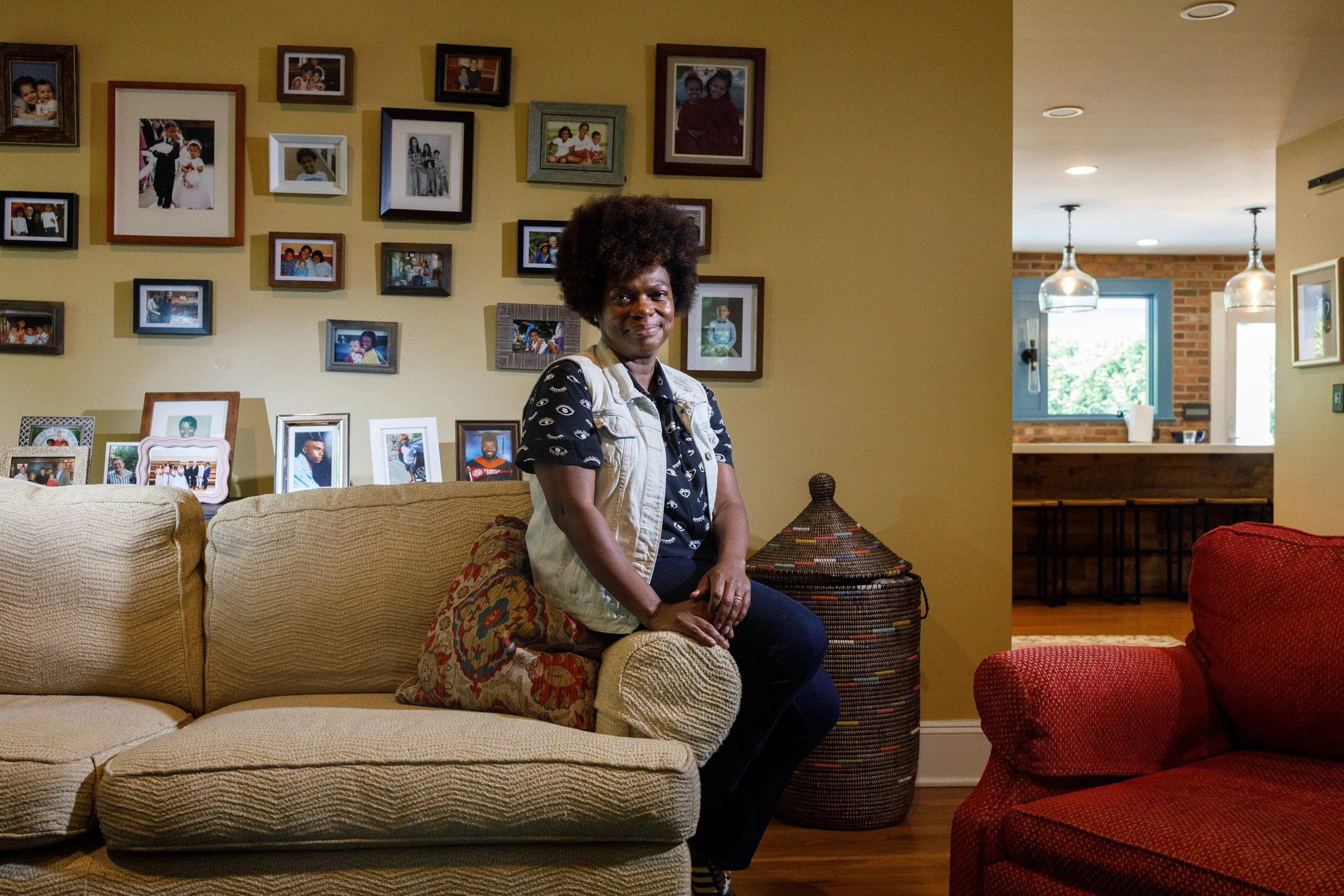
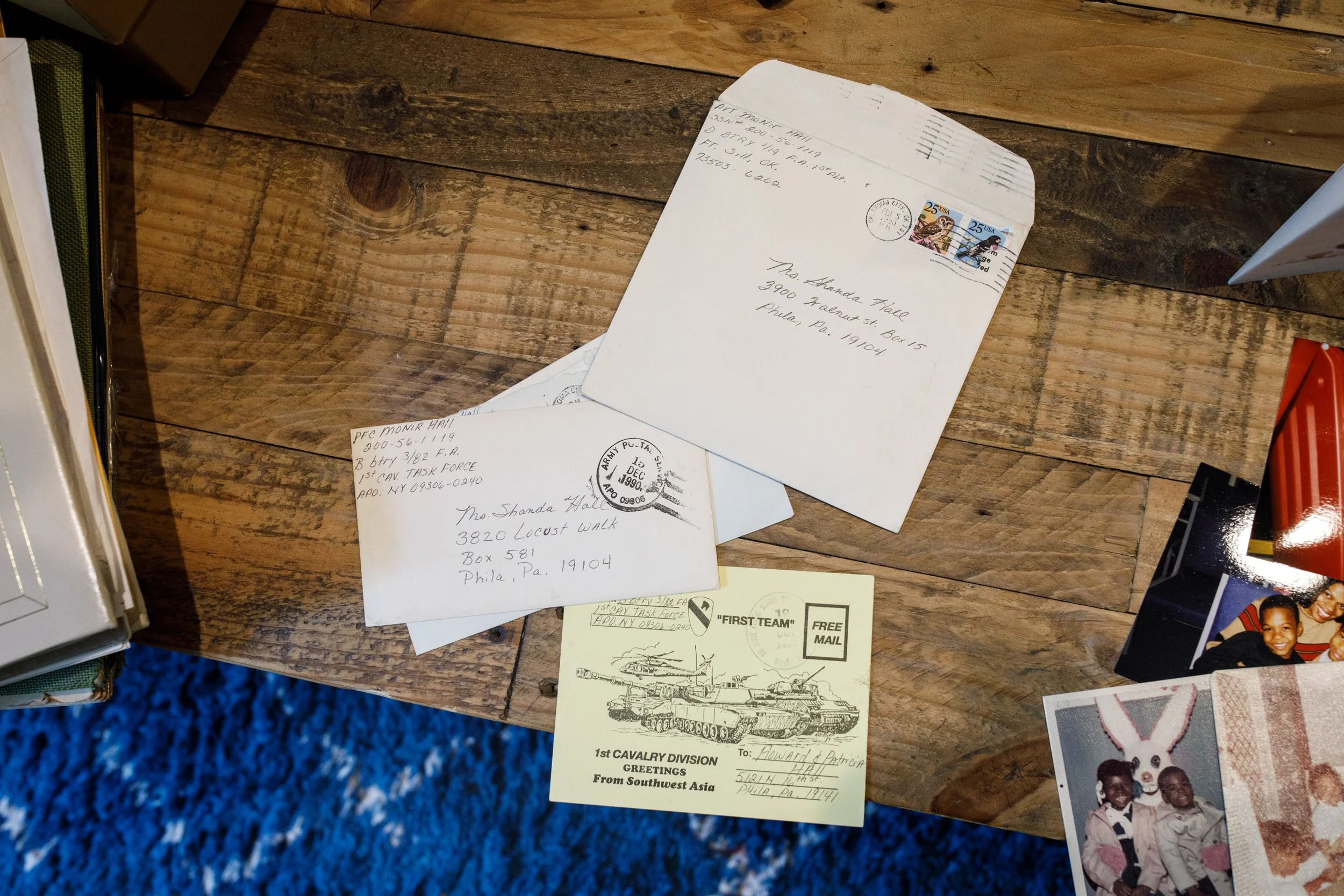
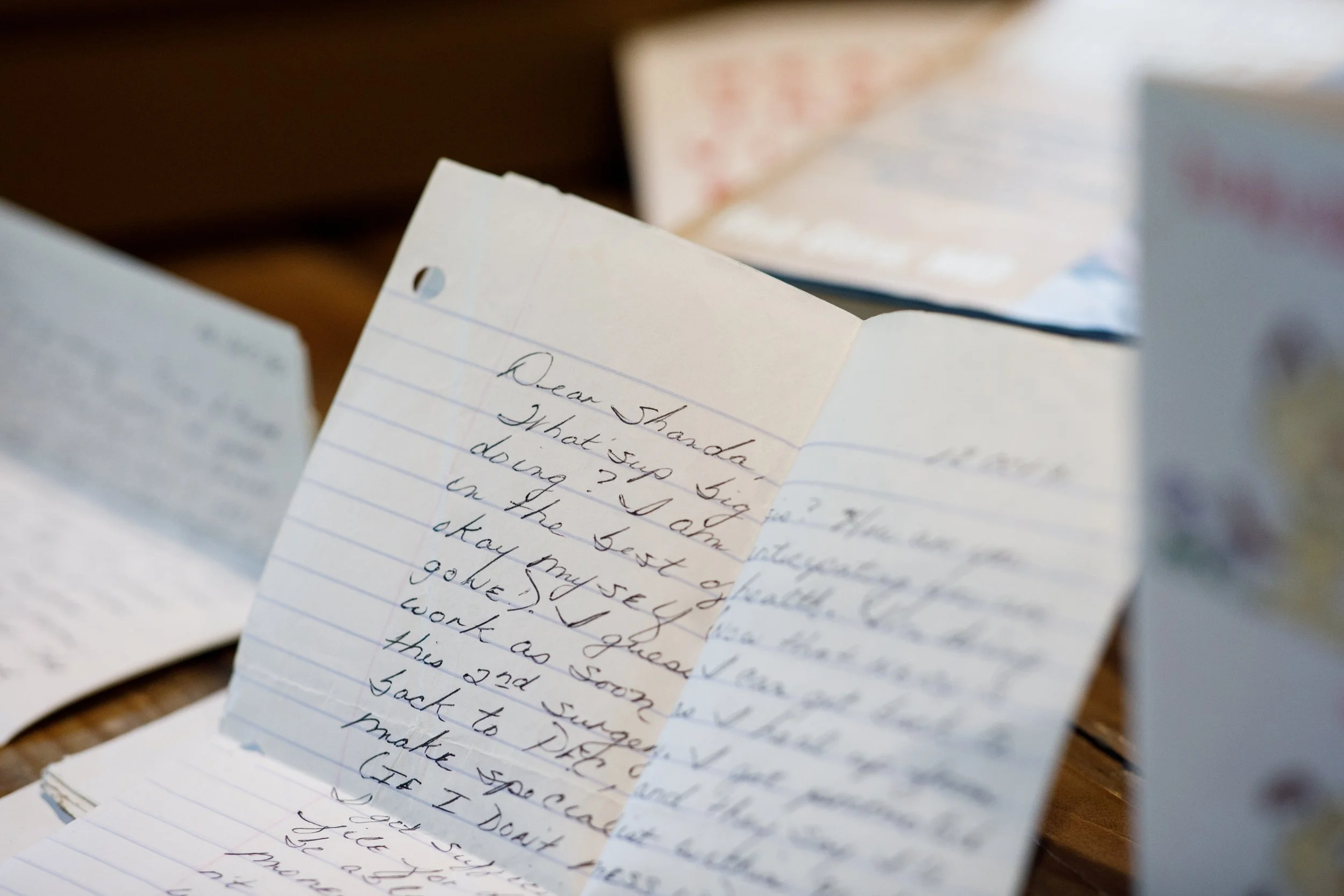
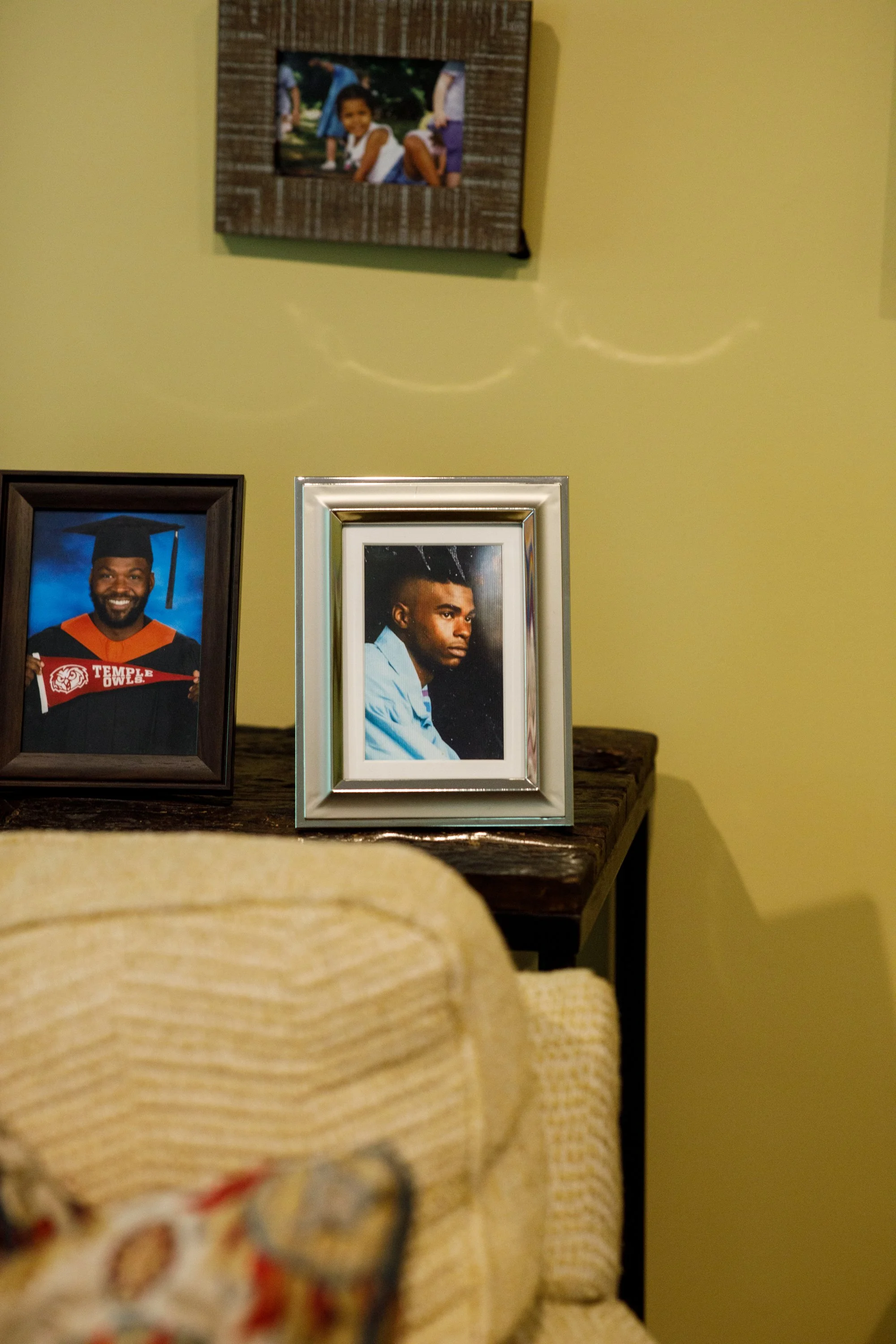
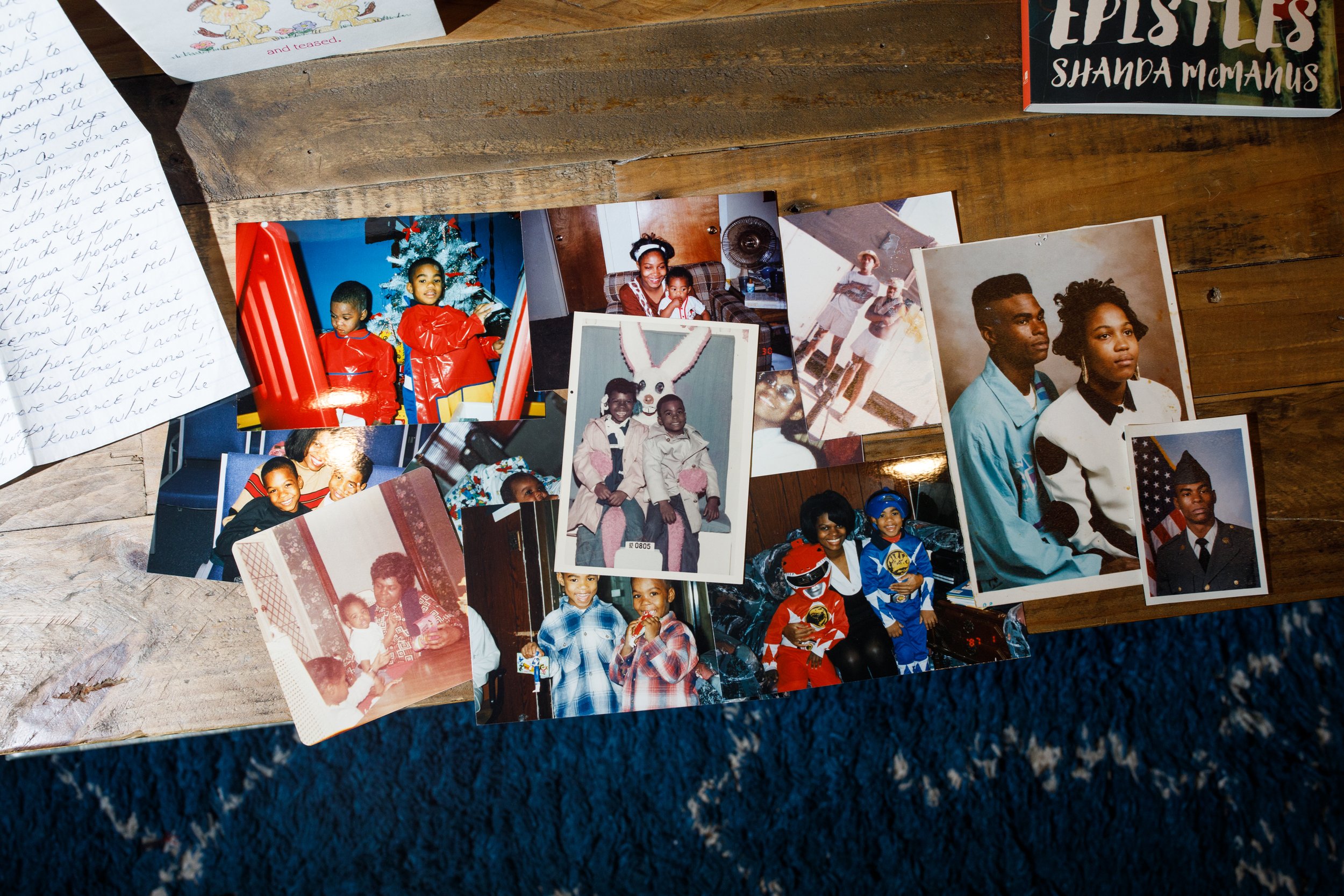
In Brother Epistles, set to be released this month, Dr. Shanda McManus delves into her decades-long grief after losing her brother to a shooting, and examines the forces shaping the lives of other young Black men.
By Mensah M. Dean for The Trace
This story was originally published by The Trace, a nonprofit newsroom covering gun violence in America. Sign up for its newsletters here.
Dr. Shanda McManus grew up in a family that wrapped her in love but was surrounded by a rough North Philly neighborhood. She and her younger brother, Monir Hall, were close, but the paths they took diverged greatly. She went the college route. He served a stint in the Army, became a teen husband and father, and sold crack cocaine to support his family. In 1992, at age 20, he died from a gunshot to the head, fired during a drive-by attack that remains unsolved.
The loss of her brother devastated McManus, 56, but it did not derail her from becoming the first in her family to earn a medical degree. She went on to marry a fellow doctor and raise four children and her great-nephew. Still, the killing haunted her. She started writing down thoughts about her brother and the conditions and consequences encountered by so many other young Black men in cities like Philadelphia.
McManus, a family medicine physician and an assistant professor at Hackensack Meridian School of Medicine in New Jersey, has collected those reflections in her first book, Brother Epistles. The memoir will be released on June 23. In it, she writes more than 30 letters to her brother. She catches him up on how life has unfolded since his death, laments the life he never got a chance to live, and contemplates how little has changed for scores of young Black men.
McManus returned to Philadelphia to teach a workshop on healing through writing during the second-annual Hope Symposium on Gun Violence Prevention on June 11. Before the event, she sat down with The Trace to discuss her book, her motivations for writing it, and what she hopes readers will gain.
The interview below has been edited for length and clarity.
When did you start writing the letters that form the book’s content?
In 2020 I was in a course, “A Book in a Year.” I said, “Before I write a story about growing up, I’m going to write a fiction story.” Then COVID happened. I was working at an out-patient clinic. I didn’t know what I was being exposed to, and I said, “I could die. I better write this story down.” So that year I found solace in going back over my childhood. I finished that manuscript, which covered the time up to when my mom passed away when I was 14 and my brother was 12. It was just a rough draft, but afterward I had this burn to talk to my brother. I found myself writing a series of letters about our past, my present without him, and everything in between.
Why do you want to share his and your stories?
When my brother was murdered, there was this feeling that people blamed him for his own murder, like he brought it on himself. By writing the story it really helped me see all of the structural determinants that funnel young Black men like my brother toward gun violence. It’s the Number 1 cause of death for young Black males aged 15 to 24 — more than the next nine causes combined. My brother was murdered in 1992, and that’s still the case in 2026. So I felt it was important to tell his story. You hear statistics, you see clips on the news, but you never get the story of the person and their humanity. If people feel the story, they may be moved to action against gun violence.
Why did you choose to format the book as a series of letters, or epistles, to your brother?
The letter form gave me access to the space between memory and time and even death. I could cross to where my brother was and have a conversation. Also, the form lends itself to a certain vulnerability. I wrote things in this book, and my husband — we’ve been married over 30 years — was like, “I didn’t know that!”
Most readers, of course, did not know your brother. How would you describe him to them?
Very handsome. All the girls were after him. He could tease you so bad, but in such a good way that you would laugh at yourself. He was a very fun-loving guy and very loyal. When he was with you, he was with you. If you were outnumbered, it didn’t matter: He would stand with you back-to-back.
Your brother’s killing remains unsolved. Do you have hope that the book could help spark renewed interest from police and witnesses?
I would love that. A few years ago I tried to contact the Philadelphia Police Department. It just went nowhere. They told me, “The files are in storage.”
In researching and writing your book, what’s something that you learned about yourself and your brother that you didn’t know before?
I hadn’t realized how many factors were against me and my brother: where we grew up, not having a park nearby, not feeling safe walking to the corner store. Before, I thought it was just my family’s bad luck. But no, there were all of these structural things that targeted us, especially my brother, which made it more likely that he would die by homicide. Realizing this gave me peace because I saw that it was not his fault.
What negative factors have remained constant in derailing young Black men since your brother’s death?
One factor is that young Black men are not given a chance to be boys. A lot of times they are criminalized in school, receive harsher discipline, and are treated unfairly. My brother was in the military. He volunteered at 17 because his girlfriend was pregnant, and he wanted to provide for her and the baby. But he did not like being in the service. He said, “If it’s not white, it’s not right.” When he got out, he applied to jobs all over the city. By then he had two young sons, and it seemed like selling drugs was a nice bridge until he could get something else. He got accepted to a program for veterans at the University of Pennsylvania, but he had already died.
As your book is about to be released, Philadelphia and the nation are experiencing record drops in shootings and homicides. What are your thoughts on what’s driving the declines?
There’s enough research and successful interventions that this knowledge is being shared nationwide. One thing we know works are hospital intervention programs. When someone survives a shooting, the hospital provides services to prevent them from becoming a homicide victim. Also, community interventions that identify community hot spots, and using the police to get illegal guns off the streets — those things work. All of these people have to work together so that we can drive down those rates, and I think that’s some of what we are seeing.
Does your book have a target audience?
There’s lots of targets. A wider target is people in the health care field that deal with Black populations affected by gun violence. They can see that this story is about a family — a brother and a sister — and it humanizes the issue beyond the statistics. The book is also for people who have lost family members or friends. They can see a little bit of their stories and take a measure of comfort. A lot of this book is about the repeating loop of grief. For me, and for a lot of people, the grief is not over. When I think about my brother, I can feel him — and I want to cry.
What new knowledge do you want your readers to take away from the book?
This issue of gun violence is still very current. A lot of the things that led to my brother being murdered are leading to young men being murdered today. It’s a crisis. Let’s do something about it.